

In the Co/Lab: Hungry for Change project, we explored together with Dutch Design Foundation and a broad coalition of partners how our food environment can be designed in a way that makes healthier and more sustainable eating feel natural. The aim was to develop a new perspective on how we can influence behavior by designing for the daily reality of people.

.jpg)
All our partners came to us with the same question: how do we bring large food-system challenges—such as the protein transition, regenerative agriculture, or a more sustainable work culture—closer to people’s everyday behavior? We know by now that campaigns or good intentions are not enough. Many people genuinely want to eat healthier and more sustainably, but in practice they make choices based on short-term needs. How do we deal with that?
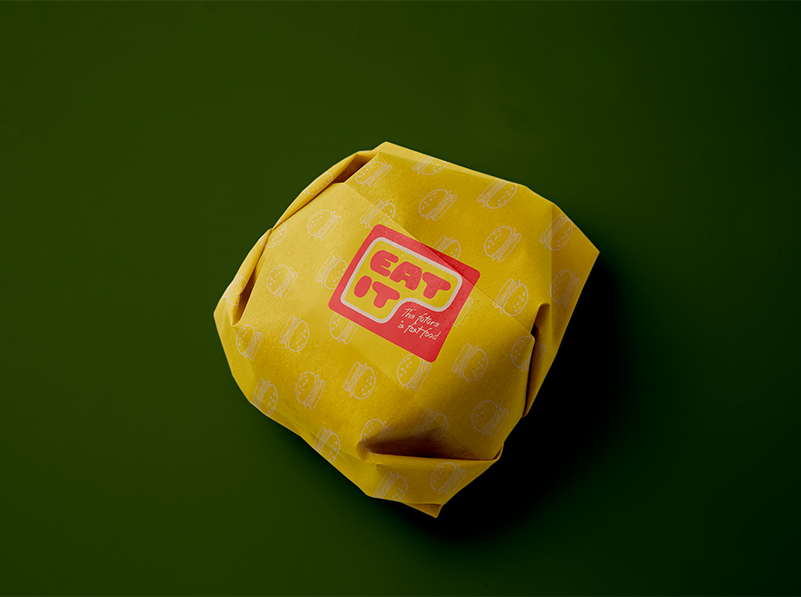
As a starting point, we immersed ourselves in the world of food and human behavior. We conducted interviews with employees, experts, and partners to understand what truly drives people in their food choices. In the first design session, we zoomed in on people and the motivations behind their choices, inspired by insights from behavioral design experts. We discovered that our food choices are deeply connected to identity, autonomy, and culture. And that sustainability and health often lose out to short-term needs such as pleasure, convenience, and affordability. These three factors became the red thread throughout all sessions. The sessions showed that interventions only work when they address at least two of these needs at the same time. This insight is reflected in the frameworks and analyses from the report, which clearly show how behavior change emerges when context is redesigned, barriers are reduced, and the attractiveness of choices is increased. This understanding allowed us to reframe the original problem. Instead of asking: how do we convince people to eat differently? we asked: how do we design a food environment in which the better choice automatically feels like the easiest, most attractive, and most natural one? This reframing process was enriched through conversations with partners such as Rabobank, the Province of North Brabant, S+T+ARTS Hungry EcoCities, and the Ministry of the Interior. Through co-creation, we worked toward new solution directions in three consecutive sessions. We used visualizations, scenarios, and early prototypes such as the *Wrap to Go* concept, which shows how a more sustainable choice can become more natural when it fits the needs of the moment (efficient) and is embedded into the food environment (in this case, the workplace).
The final outcome is a shared design framework that helps organizations steer behavior based on the three G’s: pleasure, convenience, and affordability. This framework clarifies how organizations can develop interventions that do not appeal to ideals, but to what actually drives people in the moment. Together with each partner, we translated this into concrete opportunity areas tailored to their own context—from workplace cafeterias to provincial food policy and innovative supply-chain projects.
We designed a process and a thinking framework that supports organizations in developing interventions that directly align with human behavior. This included:
A clear vision showing how pleasure, convenience, and affordability form the basis of effective behavior change.
A set of opportunity directions for each partner, for example related to making healthy choices in work environments more attractive or making True Value tangible for producers and consumers.
The 3G framework serves as a practical and applicable tool that helps organizations connect their system, context, and understanding of human behavior.
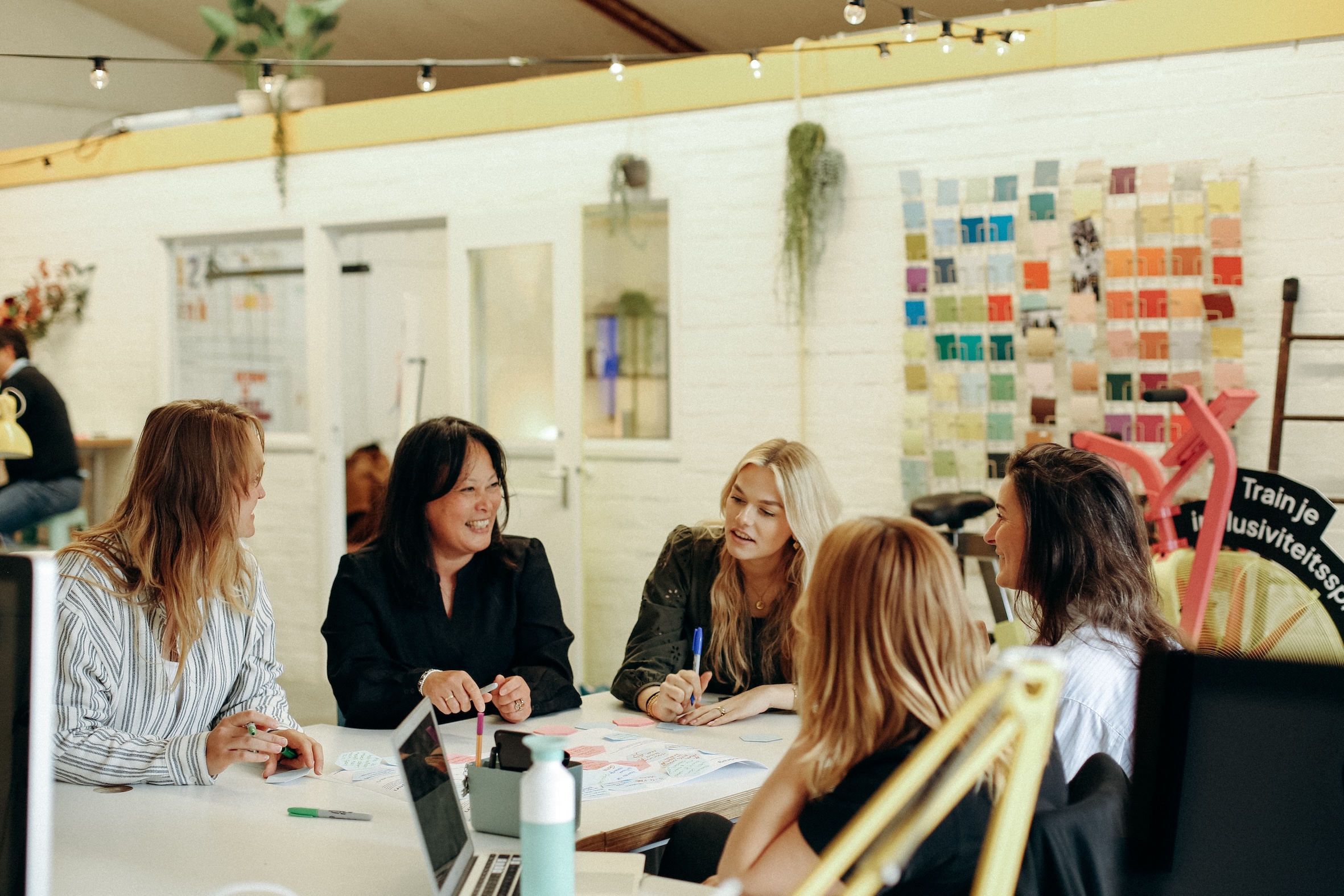
We translated this work into a public manifestation during Dutch Design Week 2025, where it generated strong engagement and interest from a wide audience.
Partners indicate that the three G’s offer a concrete and workable framework that helps sharpen policy, innovations, and interventions.
The project has shown that behavior change begins with understanding. By designing from a human-centered perspective—and recognizing that pleasure, convenience, and affordability are the true drivers behind our food choices—we create space for sustainable change that does not force, but aligns and invites. Together, we are building toward a food environment in which healthy and sustainable behavior becomes more natural.


